
- This event has passed.
Helping ensure safer immunotherapies: From gene editing to next-generation sequencing (NGS)-based T cell characterization
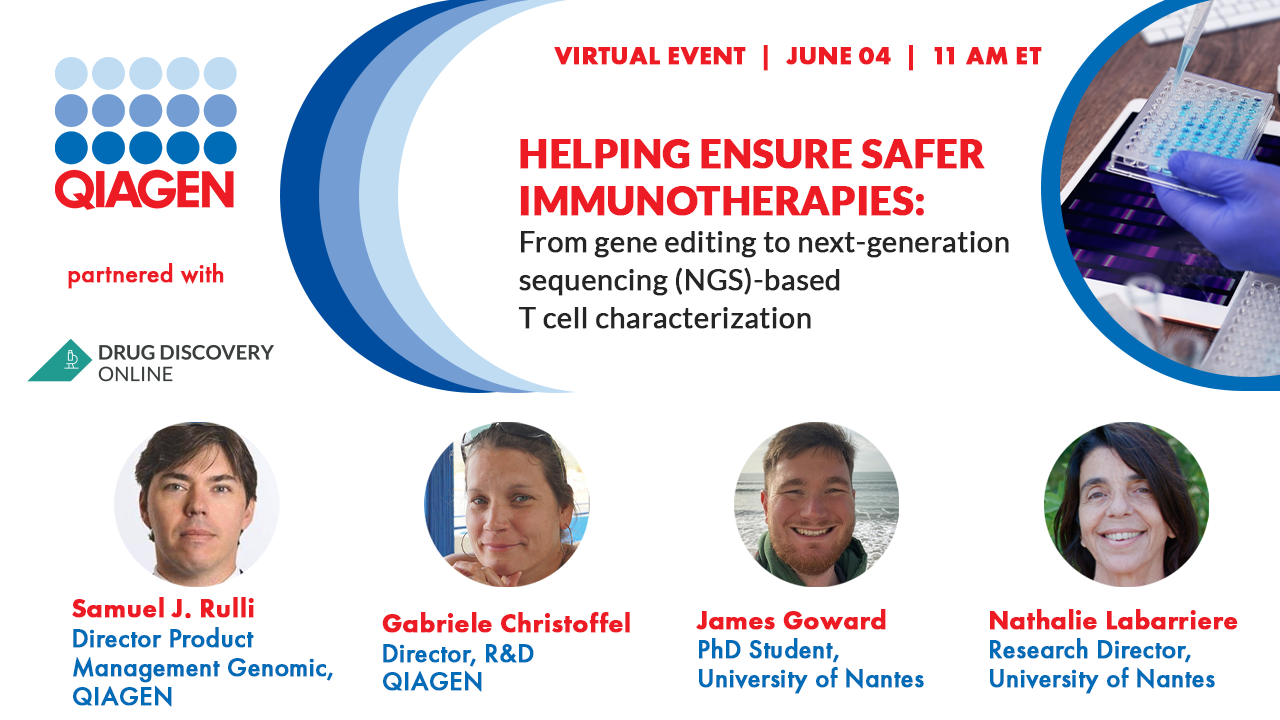
Immune checkpoint inhibitors have transformed cancer treatment, but response rates remain limited, and immune-related toxicities continue to pose challenges. Gene editing of therapeutic T cells offers a promising path to help enhance specificity and safety by directly modulating checkpoint expression.
In this webinar, we explore how gene-edited T cells targeting PD-1 and TIGIT can improve anti-tumor activity, based on preclinical models and ongoing translational research. We will present how tumor-infiltrating lymphocytes (TILs) derived from melanoma metastases are engineered, expanded and functionally characterized to assess their therapeutic potential.
Beyond the biology, this session highlights the critical role of integrated genomic workflows in enabling these insights. From high-quality nucleic acid extraction to next-generation sequencing (NGS)-based transcriptomic profiling, we highlight how automated, high-throughput sample preparation and NGS downstream analysis enable reliable identification of gene expression changes driving T cell function and efficacy.
Join us to learn how combining advanced cell engineering with end-to-end genomic solutions can accelerate cell therapy discovery and lead selection, bridging the gap between experimental design and actionable insight.
Learning objectives:
~ Understand how gene editing of immune checkpoints (PD-1, TIGIT) can enhance T cell–based cancer therapies
~ Learn how integrated workflows, from automated, high-throughput nucleic acid extraction to NGS, enable high-quality, reproducible transcriptomic insights
~ Discover how genomic data can inform functional characterization and support cell therapy, lead discovery and development
Related Events